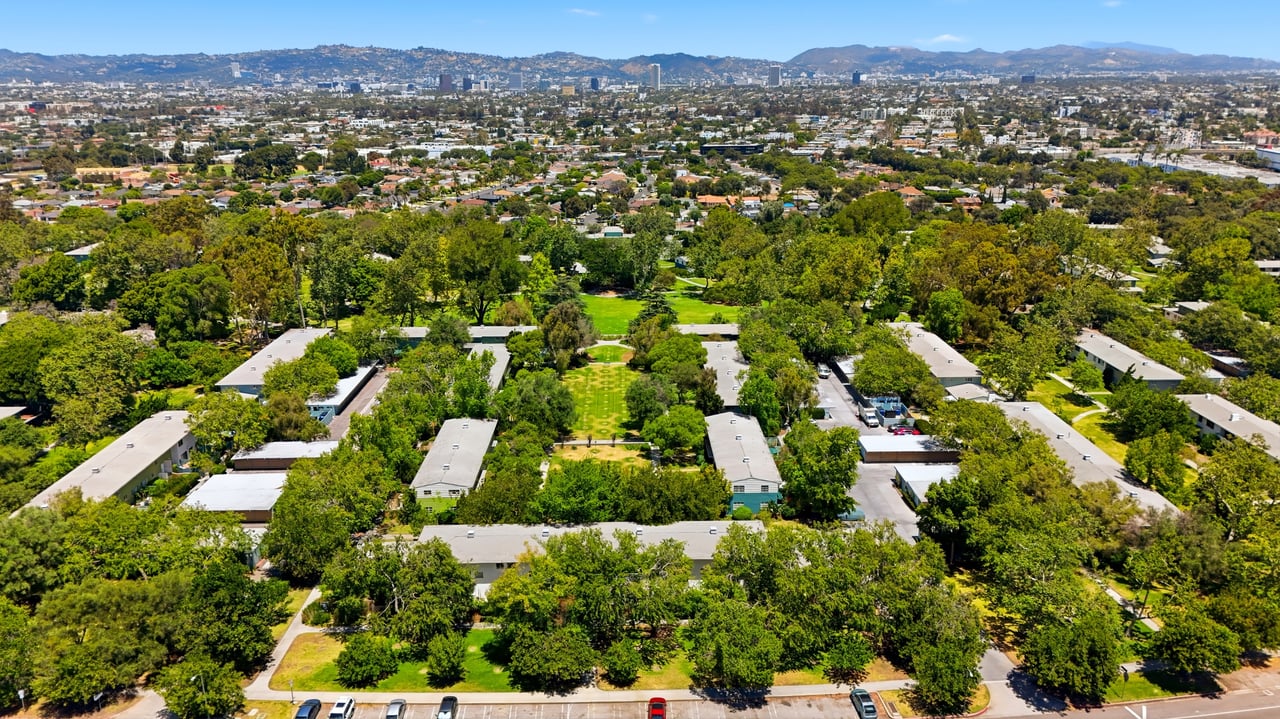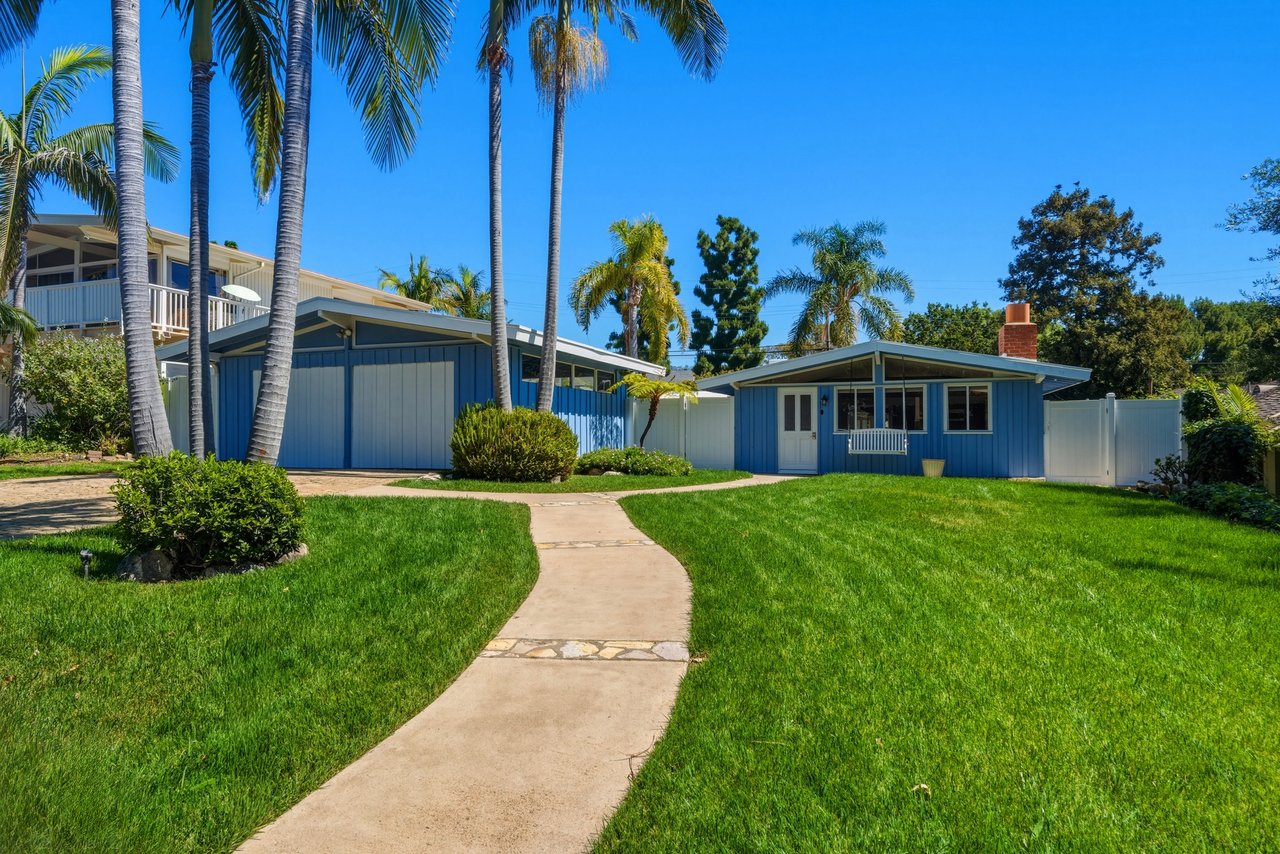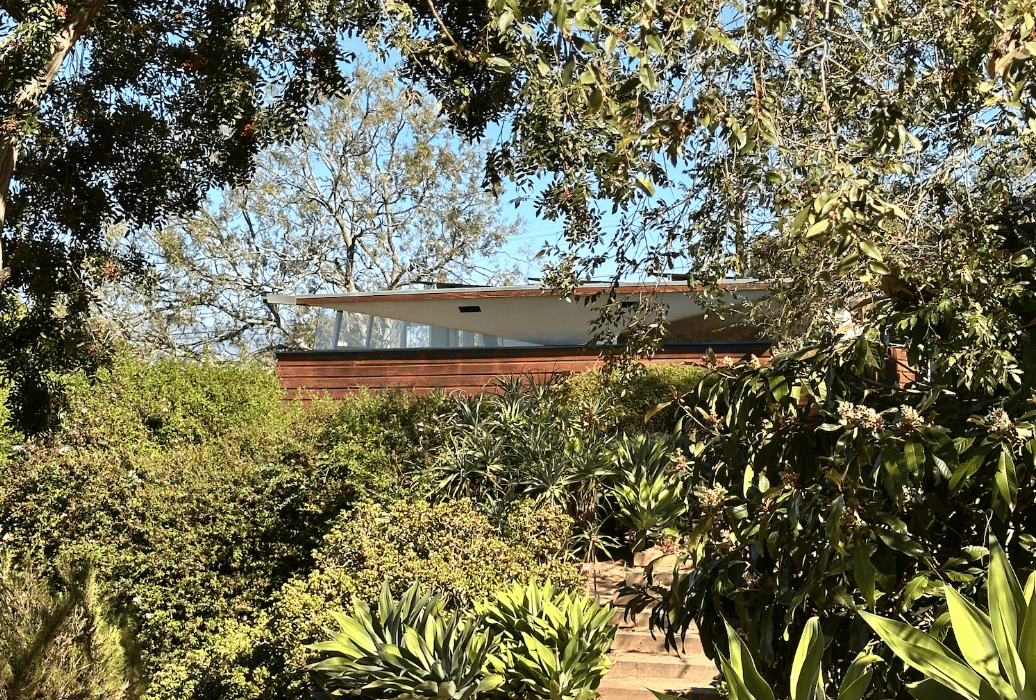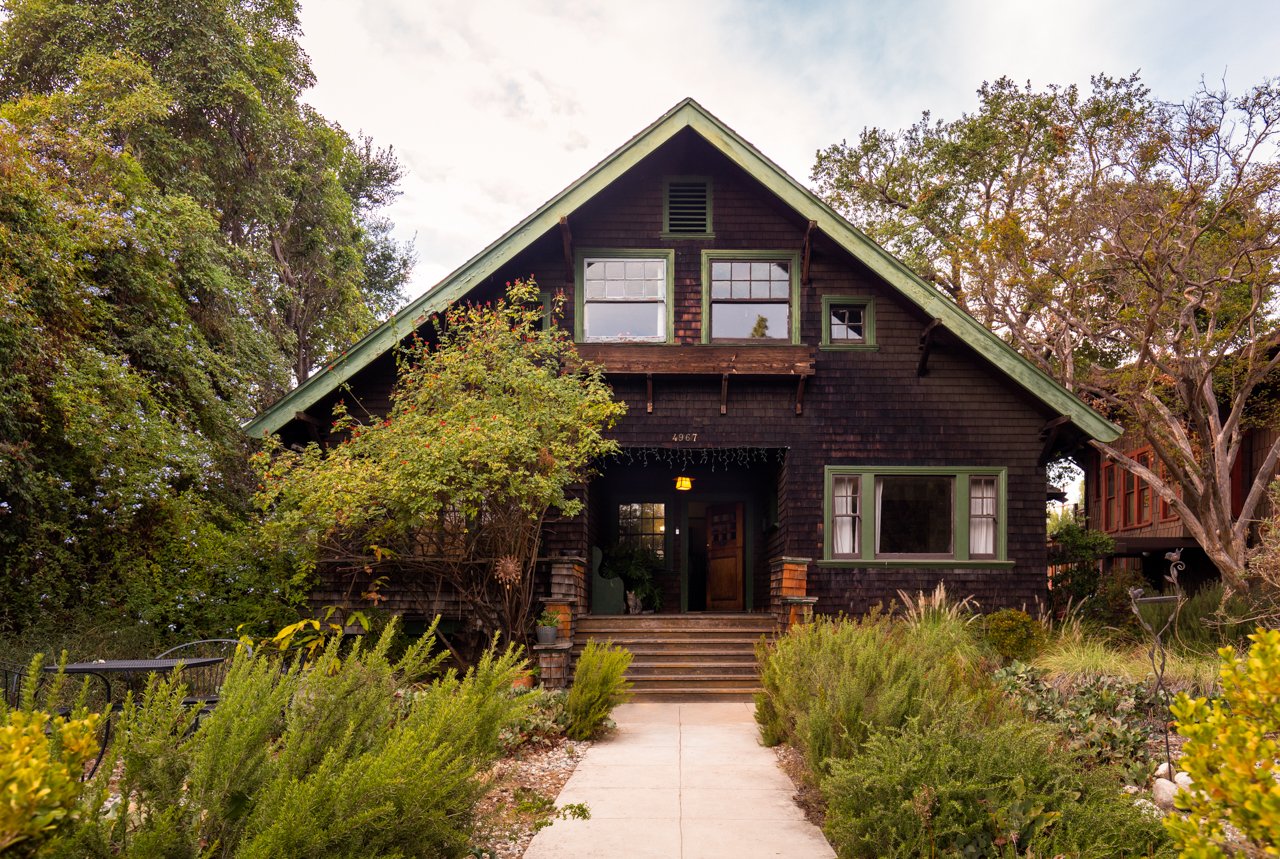
Winter is a prime season for home projects, the air is cooler, days are sunny, and color palettes are inspiring. For historic homeowners in Los Angeles, it’s a perfect time to plan renovations that honor your home’s original character. But in HPOZ (Historic Preservation Overlay Zone) neighborhoods, preserving charm means balancing modern needs with preservation rules. Below are tips to help you navigate that process with confidence.
1. Know your Preservation Plan & HPOZ rules
Every HPOZ has a tailored Preservation Plan and design guidelines that set the ground rules for exterior work. Before starting any project (even small ones) review your district’s plan to understand what’s allowed, what needs approval, and what will be reviewed by staff vs. the HPOZ Board. Los Angeles City Planning
2. Prioritize “contributing” features
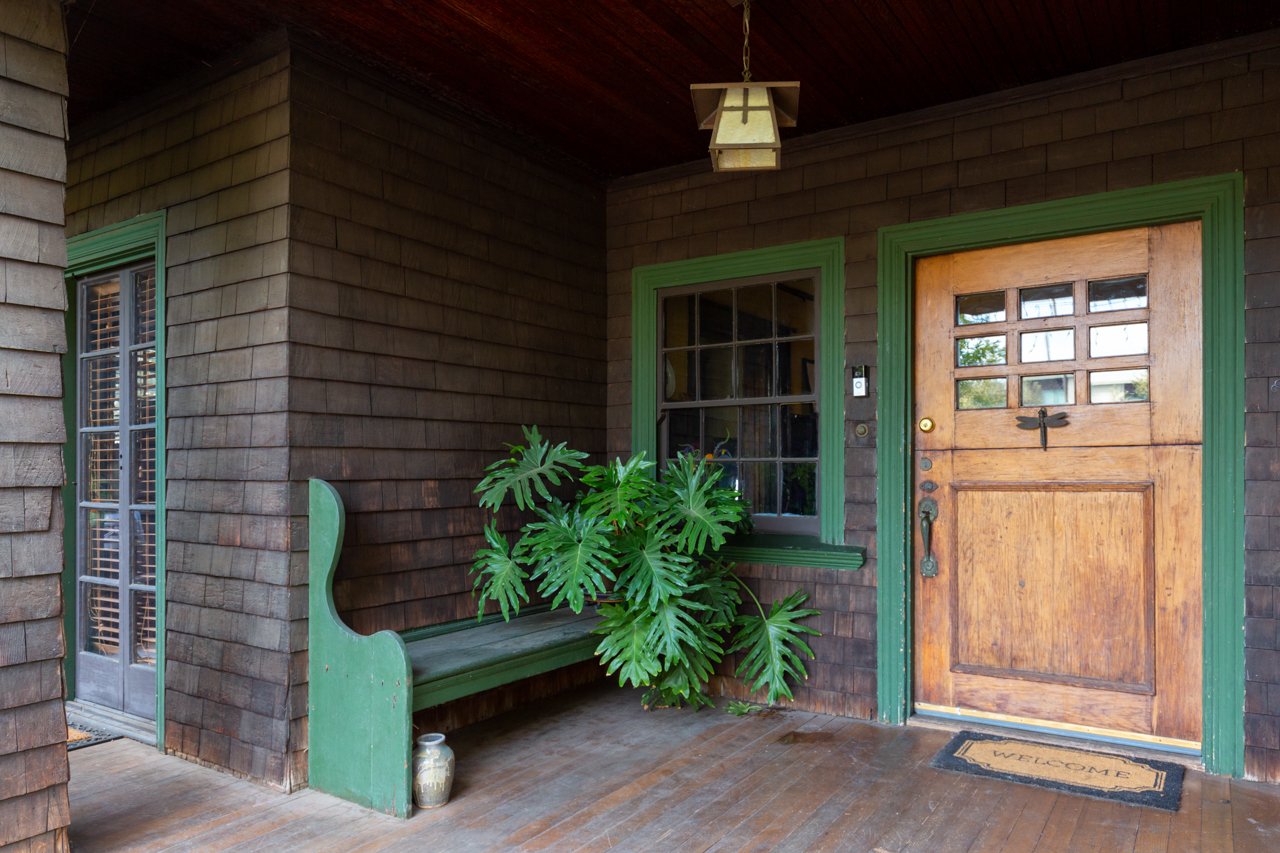
In most HPOZs, homes are classified as “contributing” or “non-contributing” based on how much of the original architectural character remains. When planning updates, aim to preserve or restore elements like original windows, rooflines, trim, porches, siding, and doors. These features are often most protected and scrutinized under your Preservation Plan.
3. Make repairs first, then changes
If parts of your home show wear (damaged trim, cracked stucco, failing gutters) treat those as priorities. Many HPOZs allow “conforming work” or repair work to proceed more swiftly than major alterations. Once your foundational repairs are solid, then consider additions or stylistic changes with compliance in mind.
4. Choose materials & details that match the era
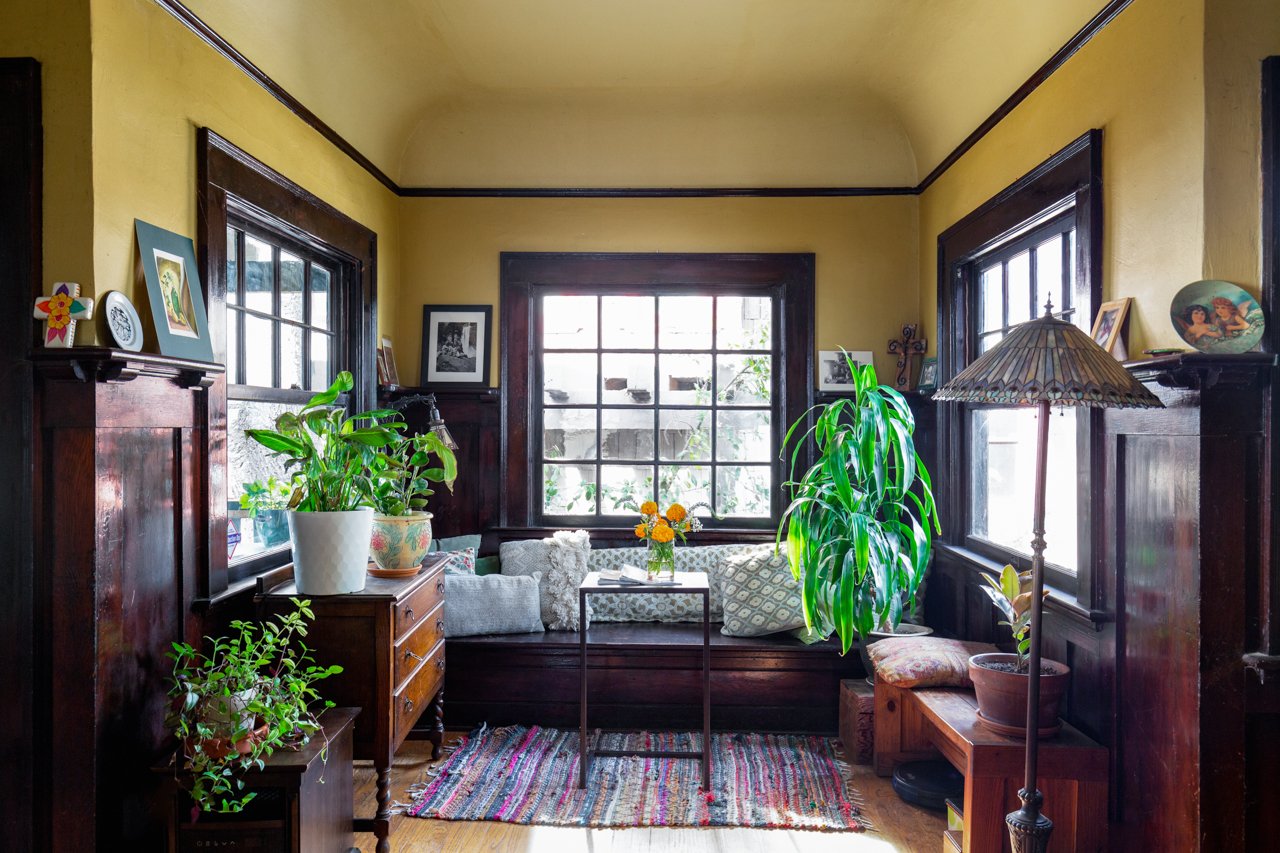
When updating, pick materials, hardware, lighting, and finishes that reflect your home’s period. For instance:
-
Use wood or historically appropriate siding instead of generic modern materials
-
Match cornice profiles, window grill patterns, porch columns, brackets, and roof shapes
-
Carefully select paint colors that align with historic palettes (though in many HPOZs, paint is exempt from review)
5. Plan additions with respect for scale & placement
If you’re thinking of adding a second story, an accessory dwelling unit (ADU), or extending your home, ensure massing, setbacks, and roof heights honor the historic fabric of the block. HPOZ Boards will look carefully at whether new work complements neighboring houses rather than overwhelming them.
6. Document your existing conditions
Before touching anything, photograph all elevations, detailing, textures, and trim work. These records help you (and your architect/designer) make informed decisions about what to retain, replicate, or restore.
7. Engage with trusted preservation professionals
Work with architects, contractors, and craftsmen experienced in historic homes especially those familiar with HPOZ rules. Their insight can help you avoid costly mistakes in design or permitting. Our team has the resources, just reach out!
8. Submit early & budget for review time
Because exterior work in an HPOZ usually requires review, applications should be filed early. Some projects may qualify for staff-level approval, while others need full Board review (which can extend timelines). Planning ahead helps avoid surprises and delays.
9. Celebrate character in your market messaging
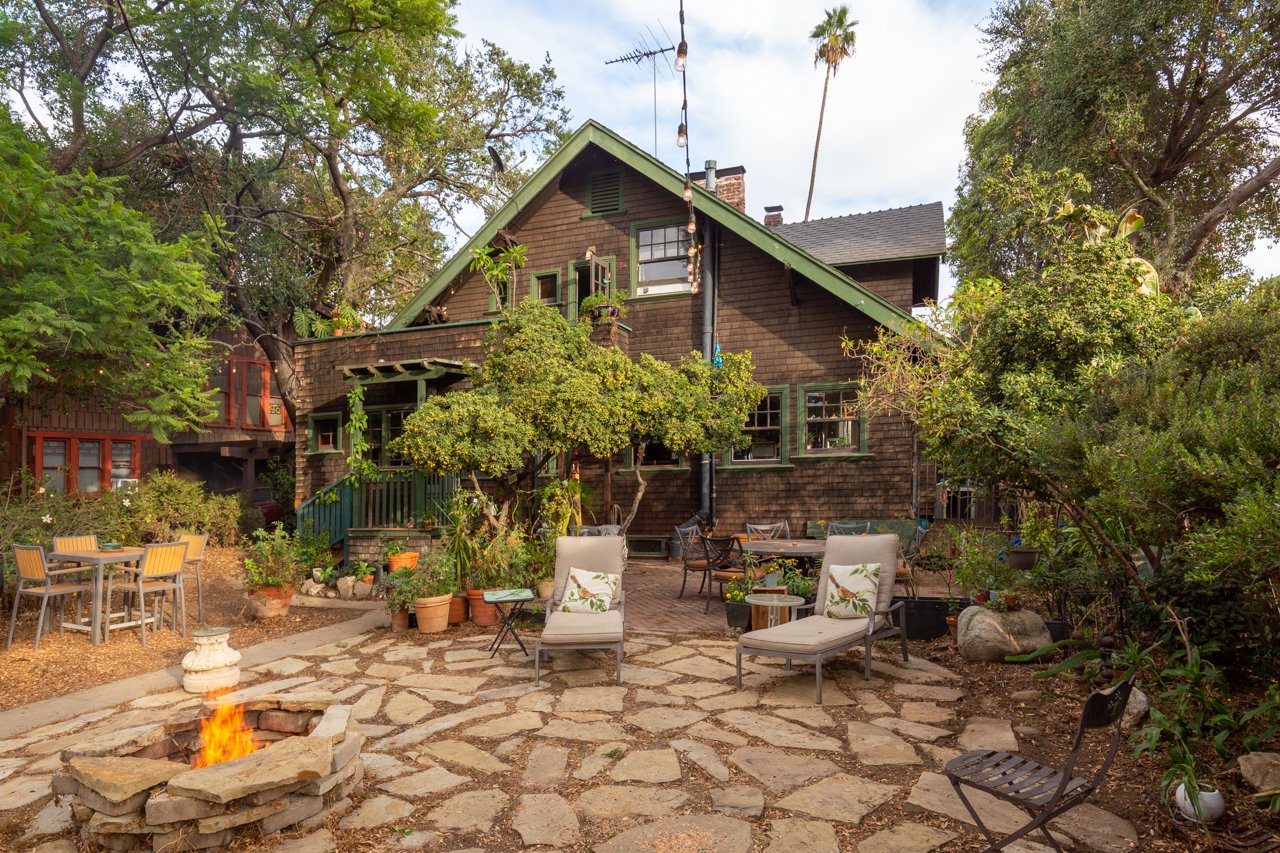
Once your updates are complete, feature your home’s restored details in listing photos and marketing. Historic charm is a unique selling point, buyers in L.A. neighborhoods often seek homes with stories, authenticity, and architectural integrity.
At Aspire Los Angeles, historic and architectural homes are our specialty. We know the care and nuance that go into preserving a home’s soul, and we’re ready to partner with you through every step of renovation, approval, and eventual sale.
If you’re planning a fall project or considering listing a historic home soon, reach out, we’d love to guide you through your options.